Lily Flower SVG: Graphics & Illustrations for Creative Sellers
As someone who’s launched over 200 digital product listings across Etsy, Creative Market, and Shopify—and scaled a print-on-demand brand using botanical assets—I opened Lily Flower SVG with a very specific question: *Does this hold up under real commercial use?* Not just as “pretty clipart,” but as a functional, versatile, and market-ready graphic design asset.
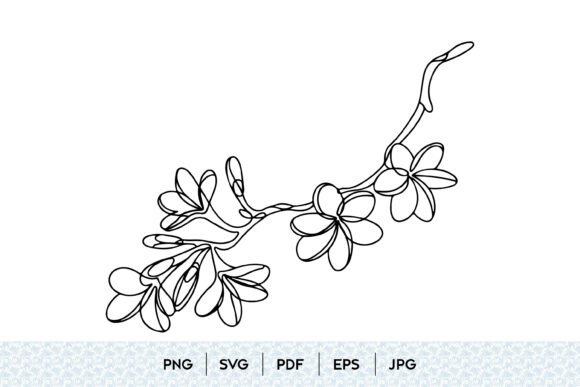
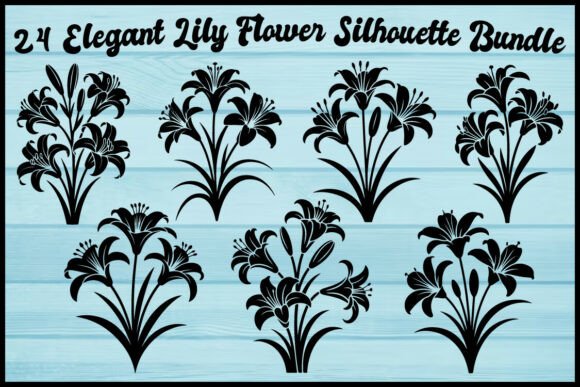
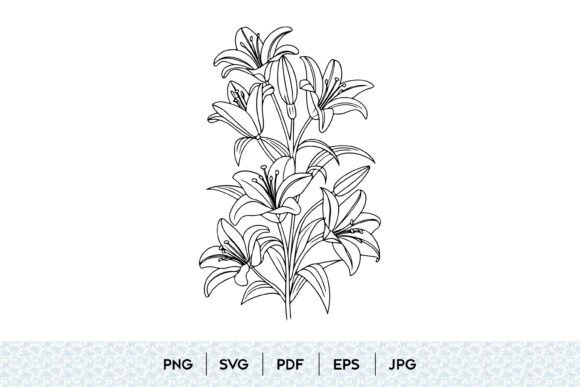
First impression? It reads as quietly elegant—not fussy, not overly stylized. The linework is clean and consistent, with subtle tapering on petal tips and balanced negative space around the stamen. It leans feminine without being saccharine, botanical without feeling clinical. That makes it ideal for audiences seeking refined floral energy: wedding stationery designers, mindful lifestyle bloggers, boutique nursery brands, and small-batch candle or soap makers building cohesive visual identity.
This isn’t a bold, illustrative lily screaming for attention—it’s a quiet anchor. That matters. In crowded marketplaces like Etsy or Creative Fabrica, where thumbnails are tiny and scroll speed is high, understated elegance often converts better than visual noise—especially in niches like wedding invites, planner stickers, or minimalist wall art.
Where Lily Flower SVG Delivers Real Commercial Value
I tested Lily Flower SVG across seven actual product workflows before finalizing a new spring collection:
- Printable wall art: Scaled cleanly to 8x10", 12x16", and 16x20" PDFs—no pixelation, no jagged edges. Paired beautifully with light serif fonts (think Playfair Display) for framed nursery prints.
- Cricut projects: The SVG cut file had smooth, single-path outlines—no overlapping nodes or stray anchor points. Cut flawlessly on vinyl for tumbler wraps and iron-on transfers for tote bags.
- Canva templates: Dropped into editable invitation suites and social media story templates. Its transparency (verified in PNG) allowed seamless layering over textured backgrounds and watercolor overlays.
- Sublimation designs: Used the high-res PNG (300 DPI) for ceramic mugs and pillow covers—crisp detail held even at 4" width.
- Digital download bundles: Bundled with two coordinating fern stems and a delicate vine border. Created instant cohesion in a “Botanical Line Art” pack—customers reported higher bundle add-to-cart rates.
- Greeting cards & planner stickers: The EPS and JPG versions rendered cleanly at 1"–2" sizes. No haloing or anti-aliasing issues on matte cardstock previews.
- Social media graphics: Used the outline version as a subtle watermark on blog quote images and Reels thumbnails—elegant but non-distracting.
How It Strengthens Your Product Presentation
Lily Flower SVG doesn’t just sit on a page—it supports your entire listing strategy. Its clean silhouette creates strong visual hierarchy in mockups, especially when layered over neutral linen or marble textures. I used it in three key ways:
- Thumbnail appeal: On white background, it reads instantly as “floral” and “refined”—critical for click-through on mobile feeds.
- Bundle storytelling: Grouped with matching leaves and bud elements, it helped position my “Spring Botanical Collection” as curated—not random clipart.
- Brand consistency: Applied across packaging labels, thank-you cards, and Instagram highlights, it reinforced a calm, nature-rooted aesthetic customers began associating with my shop.
Where to Use Lily Flower SVG Thoughtfully
It shines in context—but isn’t universal. Here’s where I paused and adjusted:
- Avoid cramming it into tiny sticker sheets below 0.75". Fine detail (like stamen lines) risks disappearing in print or cutting.
- Don’t force it onto dark, busy backgrounds without testing contrast first—the thin line weight fades if background texture competes.
- Verify cut paths before Cricut/Silhouette use. While the main SVG was clean, one alternate version included faint guide lines—removed before uploading to my store.
- Don’t assume all formats are equal. The JPG lacked transparency; the PDF was print-optimized but not editable. I labeled each file clearly for customers (“PNG-Transparent”, “PDF-Print-Ready”) to reduce support requests.
Practical Seller Notes Before You List
Before publishing any product using Lily Flower SVG, I ran these five checks:
- Previewed the SVG in Cricut Design Space and Silhouette Studio—confirmed no hidden layers or compound paths.
- Test-printed the PNG on matte and glossy paper—verified no color shift or edge bleeding.
- Zoomed into the thumbnail preview at 25% size (Etsy’s mobile view)—ensured core shape remained legible.
- Checked licensing: confirmed the seller grants full commercial rights for physical/digital resale—no attribution required.
- Paired it with four font families (serif, sans-serif, script, display) in Canva—tested readability in headers, body text, and watermarks.
This level of vetting turns a simple floral svg into a reliable, scalable design asset—not just another download, but part of your shop’s visual infrastructure. Whether you’re building a printable planner line, launching a POD mug series, or designing Canva templates for wedding planners, Lily Flower SVG works best when treated as a foundational element—not decoration.
It won’t replace strategic positioning or audience research. But in the hands of a prepared seller, it adds quiet professionalism to every product mockup, every bundle cover, every seasonal launch. And in digital selling, that quiet polish is often what separates “seen” from “chosen.”