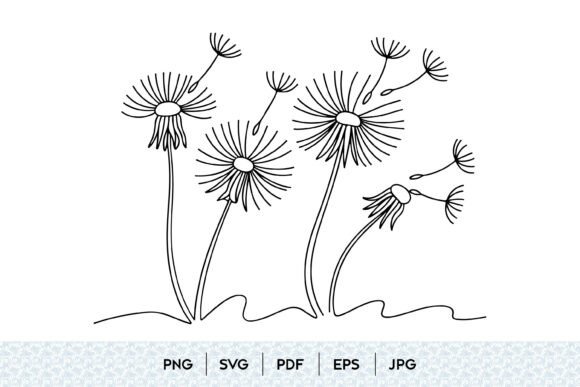
Dandelion Flower Line Art: Graphics & Illustrations for Editorial Use
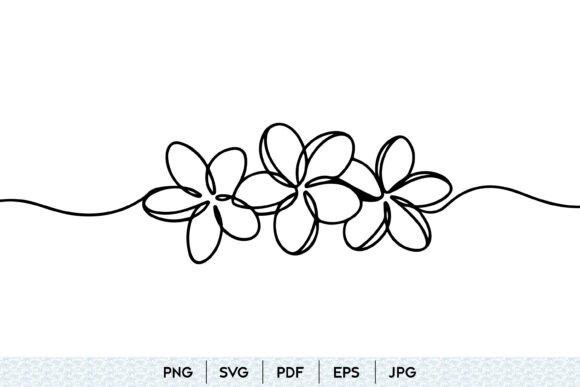
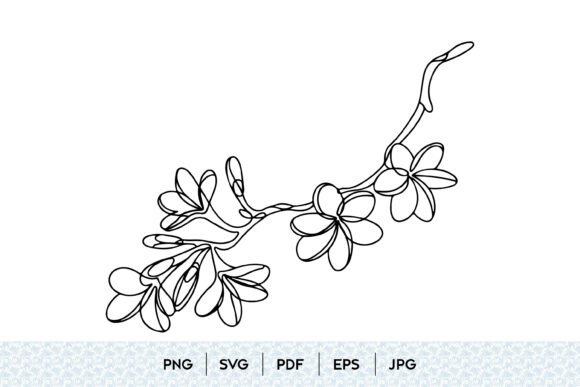
As a blog designer who’s built over 200 content sites and published thousands of editorial assets, I opened Dandelion Flower Line Art expecting simplicity—and found quiet sophistication. This isn’t just another floral doodle. It’s a carefully balanced graphic design asset that breathes calm intention into digital spaces. The first impression? Light, grounded, and quietly poetic—like a breath of air between paragraphs. It lands as modern design with botanical warmth: minimalist enough for clean web design, expressive enough to carry emotional weight in editorial layouts.
The mood it creates is unmistakable: gentle authority. Not clinical, not cutesy—just authentically human. That makes it ideal for niches where trust and tone matter deeply: mindful lifestyle blogs, nature-based education, wellness newsletters, sustainable small business branding, herbalism guides, seasonal content calendars, and slow-living digital products. Readers subconsciously register the dandelion not as decoration, but as metaphor—resilience, transition, quiet beauty. That subtle resonance elevates reader trust far more than generic stock art ever could.
In real publishing workflows, Dandelion Flower Line Art earns its place across multiple touchpoints. I’ve used it as a blog featured image layered beneath serif headlines—its fine linework holds up beautifully beside body text without competing. As a Pinterest pin, it scales cleanly to vertical crops and reads instantly at thumbnail size. In newsletter headers, it adds visual hierarchy without overwhelming email clients. For digital guides and lead magnets, it anchors cover pages with organic elegance—especially when paired with soft neutral backgrounds or off-white printables. And yes—it works brilliantly inside Canva templates, whether you’re building social media graphics for Instagram carousels or designing category thumbnails for a resource library.
Where this graphic design asset truly shines is in strengthening content performance. Its clarity boosts first impression within 0.8 seconds—the critical window before scroll. Its consistent line weight and negative space support stronger visual hierarchy, guiding eyes naturally to headlines or CTAs. Because it feels intentional—not algorithmically generated—it signals professionalism, which improves perceived credibility on affiliate marketing pages or monetized content. When reused across website header banners, article thumbnails, and downloadable worksheets, it reinforces brand identity without repetition fatigue. And unlike photorealistic assets, its stylized simplicity ensures faster load times and sharper rendering across devices.
Best deployment zones? Hero images (especially with light overlays), article thumbnails (test at 300px width), Pinterest pins (600×900px works flawlessly), blog graphics embedded mid-content as section dividers, editorial accents in sidebar widgets, content upgrades like printable checklists or seasonal planners, downloadable resources with minimal typography, category visuals in resource directories, newsletter headers (1200×400px), and social media previews for blog shares.
Use with care in contexts demanding high contrast or formal gravitas. Avoid pairing it with dense text blocks—its delicate linework can vanish in text-heavy blog graphics. Steer clear on low-contrast backgrounds (e.g., light gray on off-white) unless you add a subtle drop shadow or stroke. Skip it for corporate legal sites, fintech dashboards, or B2B SaaS landing pages where bold, geometric visuals dominate. And if your site follows an ultra-minimal visual system—think single-color palettes and zero ornamentation—this botanical illustration may feel like a gentle disruption rather than an enhancement.
Practical publisher notes, from years of shipping live content: Always preview Dandelion Flower Line Art inside your actual blog layout—not just in isolation. Test how it renders on mobile screens: does the stem remain legible at 120px height? Does the seed head retain definition? Try placing it beside your primary headline font—serif, sans serif, script, and handwritten—to confirm harmony. Check black-and-white conversion: many printables and accessibility modes rely on grayscale fidelity. Verify file sizes: SVG and EPS are ideal for responsive headers; PNGs should be compressed to under 120KB for fast-loading blog graphics. Confirm commercial license coverage—especially if embedding in paid digital products, affiliate content visuals, or client-facing media kits. This isn’t clipart; it’s a commercial design asset meant for real-world publishing, and licensing clarity protects your creative marketplace integrity.
What you receive in the digital download is versatile by design: SVG for crisp scaling, PNG for quick web use, EPS for professional print prep, JPG for universal compatibility, and PDF for easy sharing with designers or editors. The collection includes variations—some emphasize the full flower with stem and leaves; others isolate the puffball seed head for symbolic impact. All maintain consistent line weight and spacing, making them interoperable across projects. Whether you're crafting a digital guide on wildflower foraging, building a Canva template pack for educators, or designing a seasonal content upgrade for your newsletter, these illustrations integrate seamlessly—not as afterthoughts, but as intentional editorial elements.
For creative entrepreneurs and small business owners, Dandelion Flower Line Art offers more than aesthetics—it delivers narrative cohesion. A wellness blogger using it across blog graphics, eBook covers, and printable affirmations builds continuity readers feel, even if they can’t name why. An online educator embedding it in worksheet headers and course module icons creates subconscious familiarity that reduces cognitive load. And for affiliate marketers, pairing it with honest, values-aligned product reviews strengthens authenticity—because the visual language matches the message.
This is editorial design that serves the reader first. Not flashy. Not loud. Just thoughtfully made—ready to elevate your next blog post, digital product, or content marketing campaign with quiet confidence.